The origin of Caviar del Tibet is rooted in a meticulous process that blends artisanal tradition with state-of-the-art technology. Our sturgeon are raised in pristine spring water, free from pollutants and kept at a controlled temperature between 41°F and 73.4°F. This balanced, natural environment ensures healthy development and guarantees a caviar of exceptional purity and quality.
At Caviar del Tibet, we believe that understanding where caviar comes from is just as important as savoring it. For this reason, we are committed to offering an authentic, natural, and sustainable product crafted with respect, precision, and excellence.
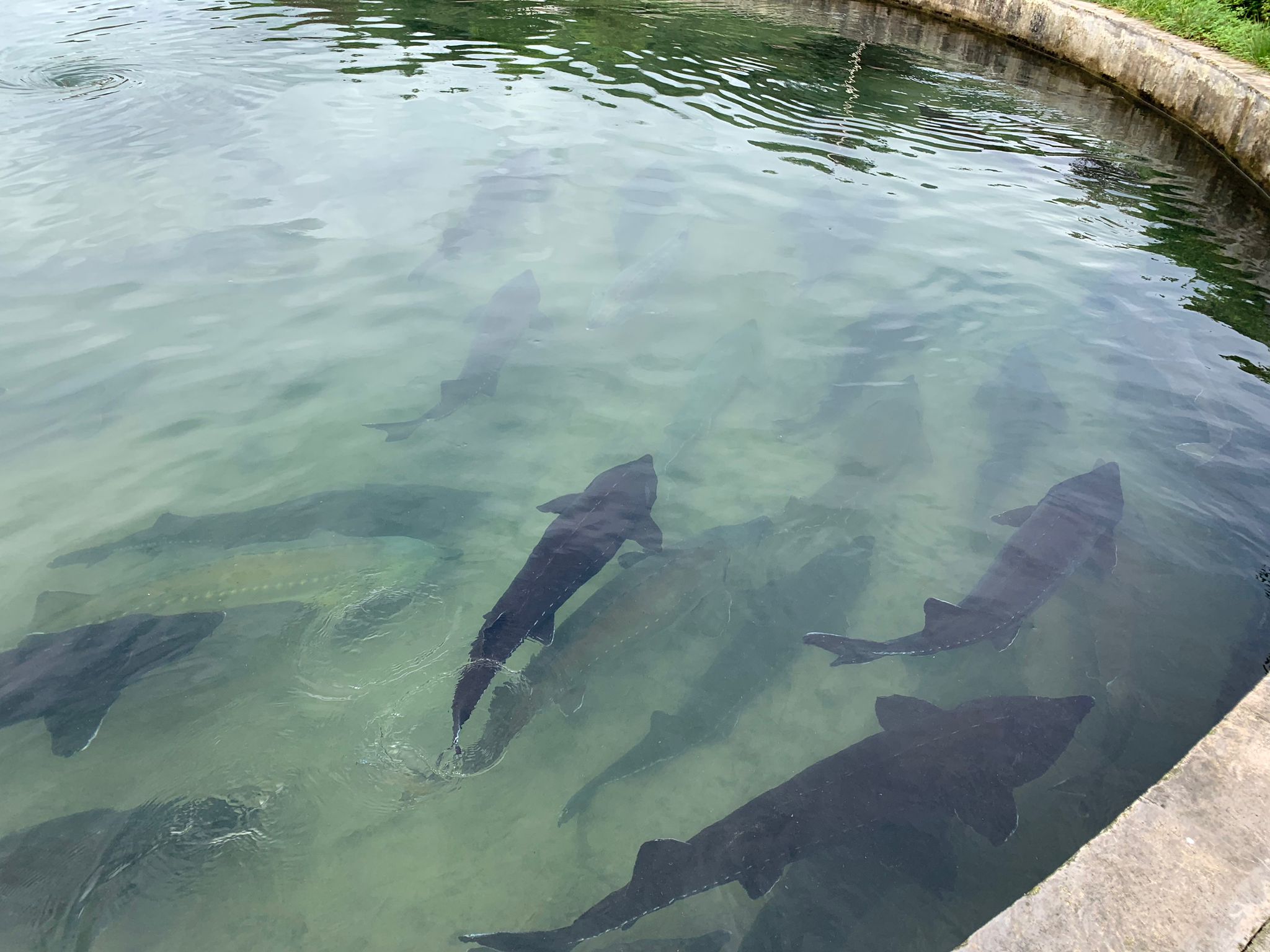
Caviar production begins the moment the roe reaches optimal maturity. The extraction is carried out with the utmost care, following a rigorous process designed to preserve the integrity of every pearl.
The roe is then gently washed and lightly cured using the traditional Iranian method, maintaining a salinity below 3.5%. This artisanal technique enhances the authentic flavor of natural caviar without altering its inherent properties. Finally, it is packaged fresh, without pasteurization, to preserve its full natural purity.
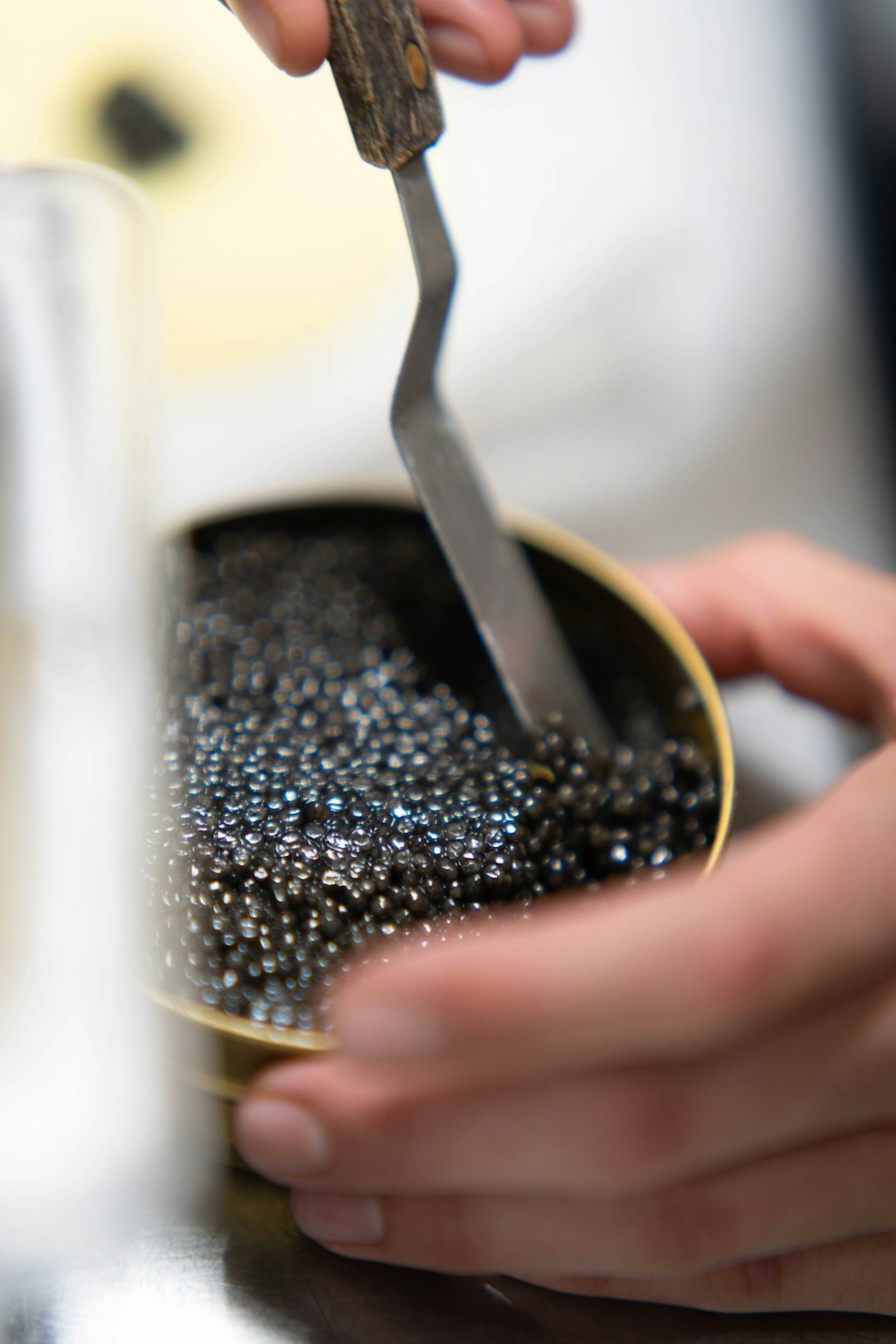
Beyond its exceptional flavor, caviar stands out for its remarkable nutritional properties, making it a highly valuable food for overall health and well-being. Its composition is rich in essential nutrients, including high-quality proteins; omega-3s, omega-6, and omega-9 fatty acids; vitamins A, D, E, and B-complex; and minerals such as iodine, phosphorus, iron, and calcium.
Supports memory, concentration, and cognitive performance.
Helps balance cholesterol and supports healthy circulation.
Thanks to its calcium and phosphorus content.
Fatty acids and antioxidants improve elasticity and reduce signs of aging.
Ideal for athletes or those with high physical demands.
Supports memory, concentration, and cognitive performance.
Helps balance cholesterol and supports healthy circulation.
Thanks to its calcium and phosphorus content.
Fatty acids and antioxidants improve elasticity and reduce signs of aging.
Ideal for athletes or those with high physical demands.
Additionally, caviar has long been associated with aphrodisiac qualities and positive mood effects. Its amino acids naturally stimulate serotonin production, often referred to as the “happiness hormone.”
O caviar é ainda associado a propriedades afrodisíacas e à melhoria do bem-estar emocional. A sua combinação natural de aminoácidos estimula a produção de serotonina, a chamada “hormona da felicidade”.
Many people wonder what makes caviar such a costly delicacy. Its value reflects a combination of factors: the slow, careful rearing of sturgeon, the purity of their environment, artisanal craftsmanship, and the time required for the roe to reach ideal maturity. Every gram of sustainable caviar represents years of patience, precision, and respect for a unique process that yields an unparalleled gastronomic treasure.
sturgeon are slow-growing fish that reach maturity late. Depending on the species, a female can take 8 to 20 years to produce roe. For instance, the Aran sturgeon needs 8–10 years, while Beluga may require up to two decades. This lengthy lifecycle is a key factor behind the exclusivity of caviar.
sustainable caviar production blends tradition and technology to minimize environmental impact and ensure the sturgeon’s well-being. Among the most prominent practices are:
sturgeon are raised in environments that closely replicate their natural habitat (clean water, optimal circulation, and proper space) preventing overfishing and supporting species conservation.
Algunas granjas emplean técnicas innovadoras como el “striping”, que consiste en masajear suavemente al pez para extraer las huevas sin matarlo. Esto permite que el esturión continúe produciendo caviar durante años, reduciendo la presión sobre las poblaciones y mejorando la ética del proceso.
after harvesting, the roe is manually washed and selected for size, consistency, and luster. Traditional curing enhances flavor and texture.
water recirculation systems purify over 95% of the water used, and organic waste is converted into natural fertilizer.
many producers adhere to international regulations such as CITES, ensuring responsible sourcing and species protection.
sturgeon are slow-growing fish that reach maturity late. Depending on the species, a female can take 8 to 20 years to produce roe. For instance, the Aran sturgeon needs 8–10 years, while Beluga may require up to two decades. This lengthy lifecycle is a key factor behind the exclusivity of caviar.
sustainable caviar production blends tradition and technology to minimize environmental impact and ensure the sturgeon’s well-being. Among the most prominent practices are:
sturgeon are raised in environments that closely replicate their natural habitat (clean water, optimal circulation, and proper space) preventing overfishing and supporting species conservation.
some farms use techniques like “stripping,” which gently extracts roe without harming the fish, allowing it to produce caviar for years.
after harvesting, the roe is manually washed and selected for size, consistency, and luster. Traditional curing enhances flavor and texture.
water recirculation systems purify over 95% of the water used, and organic waste is converted into natural fertilizer.
many producers adhere to international regulations such as CITES, ensuring responsible sourcing and species protection.
Every batch of Caviar del Tibet is carefully selected for size, color, and firmness to achieve a consistent texture and rich, refined flavor. The result is a natural caviar that reflects the purity of its origin: the water, the craftsmanship, and the respect for nature. It is a gourmet experience that honors tradition while embracing balance and sustainability.
Our commitment to quality and environmental responsibility is reinforced by compliance with the CITES Convention (Convention on International Trade in Endangered Species of Wild Fauna and Flora), which regulates the trade of threatened species and their derivatives.
We work closely with high-end gastronomy distributors and specialty suppliers to serve both private consumers and industry professionals. Our promise rests on certified quality, full traceability, and absolute transparency.
The illegal trade of wild species remains one of the leading threats to global biodiversity. Millions of plants and animals are taken from their habitats every year to supply international markets. To address this issue, the CITES Convention was signed in 1973, an international agreement regulating the trade of species to prevent their decline and eventual extinction.
CITES is a global treaty that ensures the international trade of plants and animals does not jeopardize their survival. With 183 member countries, it is one of the most influential conservation tools worldwide. Its scope includes live specimens and derivatives such as hides, ivory, wood, and seeds.
Signed in Washington in 1973 and enacted in 1975, CITES has evolved to meet emerging threats such as illegal trafficking, habitat loss, and climate change. Regions like the European Union and Latin America have developed complementary regulations to strengthen enforcement.
The system operates through permits and certificates for the import and export of listed species. Each country maintains:
Authorized checkpoints ensure compliance and traceability.
CITES classifies species into three appendices:
Appendix III: Species protected in at least one country.
The Conference of the Parties (COP) meets every 2-3 years to update lists and policies. The CITES Secretariat, based in Geneva, coordinates global implementation. Specialized technical committees exist for animals, plants, and permanent issues.
Despite advancements, illegal trafficking remains a multi-billion dollar business. The main challenges include:
Caviar del Tibet stands out for its comprehensive commitment to environmental respect, sustainability, and excellence at every stage of production, from responsible resource management to practices that minimize ecological impact. Our products not only meet the highest quality standards but also reflect a philosophy centered on preserving nature and ensuring a more balanced and sustainable future.
This fusion of tradition, innovation, and responsibility positions Caviar del Tibet as a benchmark for conscious, sustainable luxury.
Sustainable practices at every stage of the production process.
Guaranteed excellence through the highest industry standards.
Traceability and transparency throughout the entire process.
Sustainable practices at every stage of the production process.
Guaranteed excellence through the highest industry standards.
Traceability and transparency throughout the entire process.